Practical fixes
New furniture smells like chemicals
When new furniture smells like chemicals, identify the item and ventilate rather than covering the odor with fragrance. Persistent irritation or an unusable room is a reason to contact the seller and reduce exposure.
VOC odor remover: choose your option
See which model suits your setup, compare the details that matter, and find current shopping options.
Compare VOC odor remover options →Your next steps
Air the furniture and the room
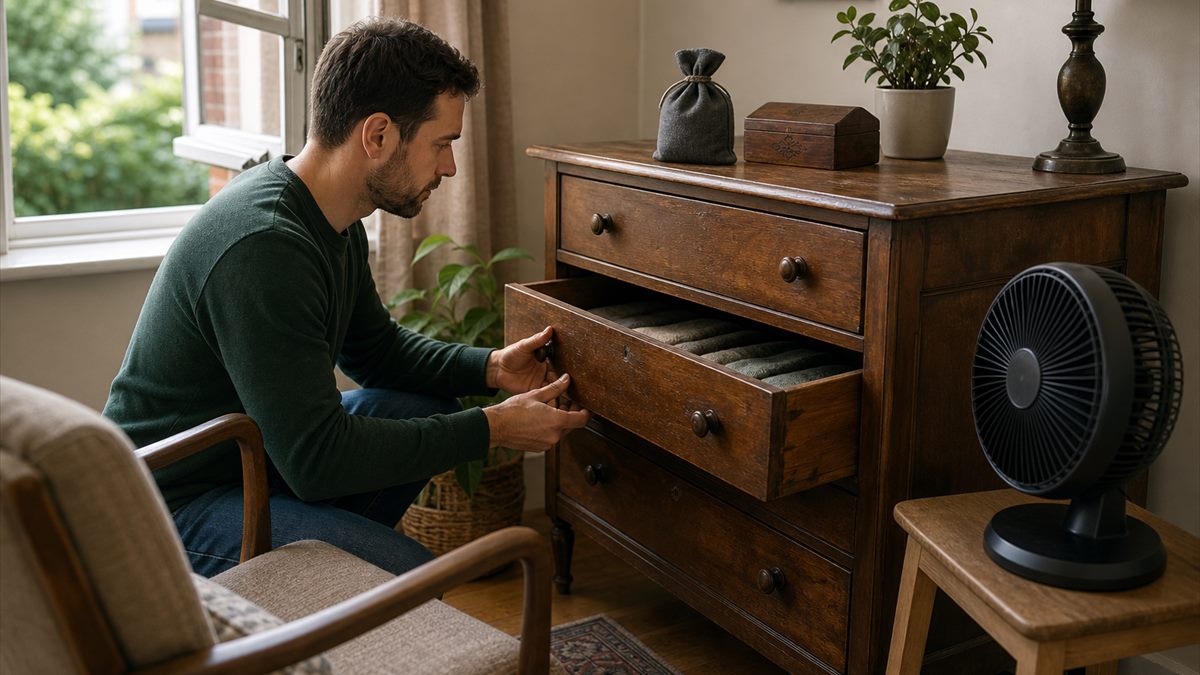
Remove packaging and open drawers or cabinet doors. Ventilate the room and follow the furniture maker’s care guidance.
Match air cleaning to the job
Compare room coverage and filter construction when choosing an air purifier. Particle filtration and odor adsorption do different jobs; check the carbon-filter details for an odor-focused purchase.
Choose convenient ongoing care
Place the unit as instructed, keep airflow clear, and replace filters or odor absorbers on the manufacturer’s schedule. If the furniture remains strongly irritating, contact the seller about that item.
Match the right product to this fix
You have the practical steps. Now compare the product options for this job, with clear model differences and the features that make everyday use easier.
Compare VOC odor remover options →Compare Air purifier for odor options →Match the product to your situation
| Your situation | Useful product | What to compare |
|---|---|---|
| Want room-wide air cleaning | Air purifier | Compare room coverage, carbon filter, and replacement filters. |
| Smell is concentrated inside furniture | Formaldehyde odor remover | Compare placement, coverage, and manufacturer specifications. |
Keep the question tied to the exact item
Save the product name, delivery date and material details. Ask for emissions documentation that applies to that model. A broad claim that every new piece smells for a certain number of days does not answer your concern.
For sofas, use the upholstery-specific comparison. For pressed wood and suspected formaldehyde, read what odor cannot establish before choosing a treatment.
Explore specific situations
- Formaldehyde furniture smell
- Furniture smell and headache: what to do now
- How long does new furniture smell last?
- New couch chemical smell
- New dresser smells strong: ventilation and next steps
- New furniture smells like chemicals: check materials and exposure
- Particleboard smell: materials, ventilation and limits
- Furniture odor returns when windows close: what it means
- Furniture VOC off-gassing: what smell can tell you
By Smells Like Wood. See our editorial method and contact page for corrections. Content reviewed . General household guidance; this is not a professional inspection or a medical assessment.
VOC odor remover: choose your option
See which model suits your setup, compare the details that matter, and find current shopping options.
Compare VOC odor remover options →Browse all fixes on the homepage
Useful answers before you choose
How long should I air out new furniture?
There is no universal safe time. Follow the manufacturer’s care instructions and contact the seller if the smell persists or causes irritation.
Should I heat furniture to make the smell disappear faster?
Do not improvise a heat treatment. It may damage materials and does not prove emissions are safe; ventilation and source control are more appropriate first discussions.