Use case

Dresser Drawers Smell Musty: Source Clues, Moisture Checks, and Fresh-Air Fixes

Use this guide when dresser drawers smell musty describes the smell you keep noticing and you want to separate harmless wood odor from dampness, residue, or a source that needs attention.

Last reviewed: 2026-08-13

What To Check Before You Act

The problem in plain terms

Dresser Drawers Smell Musty is a Smells Like Wood diagnostic guide for dresser drawers smell musty that matches the odor pattern to the likely source before choosing a product or fix.

The short version

Start by locating where the dresser drawers smell musty odor is strongest before adding fragrance or cleaners. Empty the space, check for dampness, let it ventilate, and see whether the smell returns from wood, fabric, finish, or hidden moisture.

When the odor is close but not quite the same, compare this with Drawers Smell Old and Cedar Drawer Smell Problem so the next step follows the source instead of covering the smell.

What matters most

  • The odor reservoir matters more than the broad smell name.
  • Start with the checks that are visible, reversible, and easy to repeat.
  • This guide includes 3 public source boundaries and 5 frequently asked questions.
  • The page was last reviewed on 2026-08-13.

How to choose the next step

  • If the clue repeats after a normal reset, treat the underlying source as still present.
  • If visible mold, water intrusion, strong chemical exposure, symptoms, or damage appears, stop casual troubleshooting.
  • If the product or tool does not match the confirmed source class, skip it.

When the clue changes the path

ConditionThresholdMeaning
Repeat patternReturns after ventilation, drying, washing, or isolationThe source probably remains active.
Safety boundaryAny visible mold, leak, strong irritation, or worsening symptomsUse safety guidance or professional help instead of casual deodorizing.
Evidence supportAt least 3 public source boundaries on eligible specific guidesThe advice should stay inside named source limits.

Checks worth doing first

  1. Empty the affected space
  2. Ventilate, then close it again
  3. Check moisture before scent
  4. Treat the source, then retest

How it plays out

If dresser drawers smell musty returns after a simple reset, use the source clues and the risk boundary before choosing products or masking the odor.

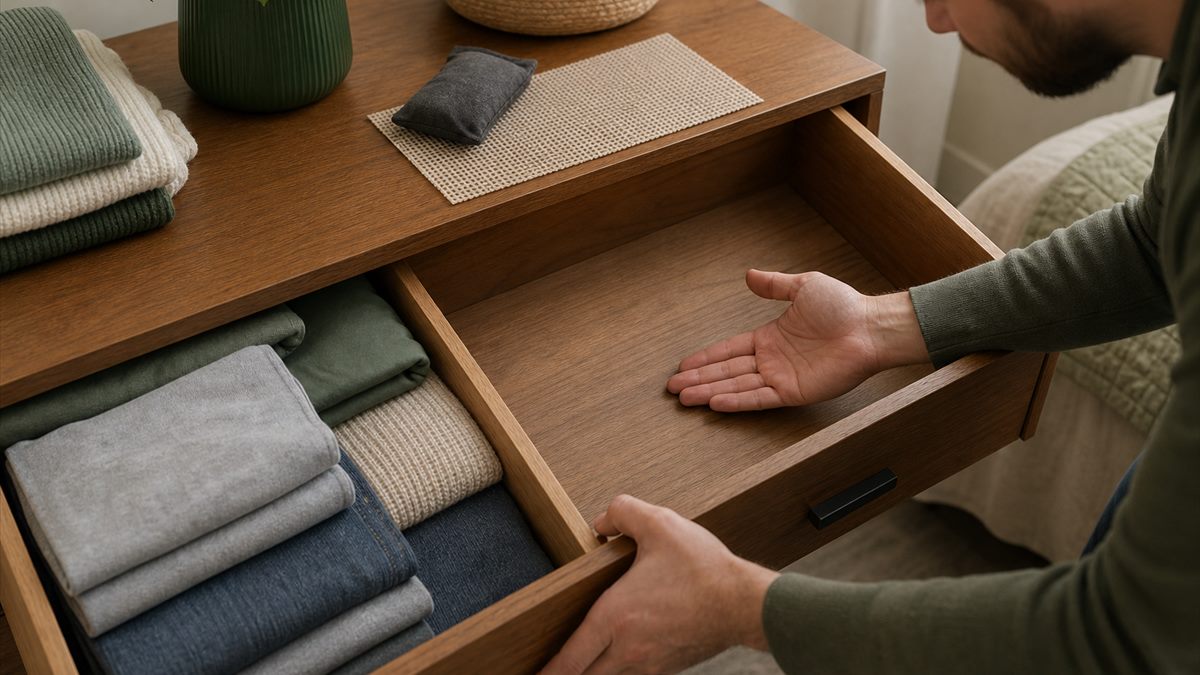
Dresser Drawers Smell Musty check setup
Let the room, fabric, and wood surfaces air out separately before deciding what to treat.

What the dresser drawers smell musty smell is usually telling you

A wood-like smell can come from actual wood, old drawer air, fabric holding an odor, damp dust, or a newer finish off-gassing. The source usually shows itself when the space is empty, dry, and ventilated for a short reset.

Source clue

The strongest spot matters

The smell source is usually clearer after the space is emptied and aired out for a short reset.

Easy miss

Fragrance hides the evidence

A new scent can mask whether the odor comes from dampness, old wood, fabric residue, or a newer finish.

Better next step

Change one condition at a time

Dry, air, clean, or isolate one source before treating the whole room or storage area.

A simple way to isolate the odor source

Change one condition at a time so you can tell whether the odor lives in the room, the wood, the fabric, or the air.

1

Empty the affected space

Remove clothes, linens, or stored items so wood, fabric, dust, and room air can be checked separately.

2

Ventilate, then close it again

Fresh air can reset the space; closing it again shows whether the odor returns from a trapped source.

3

Check moisture before scent

Feel for dampness, look for staining, and use a humidity reading if the smell is musty or stale.

4

Treat the source, then retest

Cleaning, drying, airing, or replacing an odor holder only works if the same closed-space test improves afterward.

How the smell changes the next step

ClueWhat it meansNext step
Strongest inside a drawer or closet Closed storage air or unfinished wood may be holding the odor. Empty it, ventilate, and retest with clean fabric.
Musty or earthy smell Moisture is more likely than simple wood scent. Look for damp material, leaks, condensation, and poor airflow.
Sharp chemical smell A finish, adhesive, or newer furniture material may be the source. Ventilate and avoid sealing the smell in until irritation is ruled out.
Odor follows fabric The fabric may be carrying residue from storage or washing. Wash or air one item separately before treating the whole space.

Products that make sense after the source is clear

Charcoal, baking soda, ventilation, washing changes, or wood cleaning can help, but only after you know whether the odor is in air, fabric, moisture, or the wood itself.

When to stop treating it as a surface smell

Stop casual odor treatment when you see mold, damp drywall, an active leak, strong chemical irritation, or symptoms that worsen in the space. At that point, the source matters more than deodorizing.

Related Situations This Guide Covers

  • musty dresser drawers

Sources and limits

This page uses public sources as boundaries for practical advice. It does not claim lab testing, a survey, a professional inspection, or a guaranteed diagnosis.

Frequently asked questions

When should I stop troubleshooting this myself?

Stop when visible mold, leaks, damp drywall, strong chemical irritation, or worsening symptoms appears.

Is "musty dresser drawers" different from dresser drawers that smell musty?

Not in a useful search or reader-job sense. The same checks apply: isolate the drawer as the reservoir, check moisture and airflow, then retest before treating clothes or choosing products.

What should I check first for dresser drawers smell musty?

Find where the smell is strongest while the space is empty. Then check moisture, ventilation, wood surfaces, and fabric separately before using deodorizers.

What result means I should stop guessing?

Stop guessing when the smell returns after airing out, when moisture appears, or when irritation points beyond a simple stale-air problem.

What should I compare this with next?

Use the broader odor diagnosis guide when the clue is not specific enough for this page.